Mortar-Filled Flat-Back Elbows (Cement-Back)
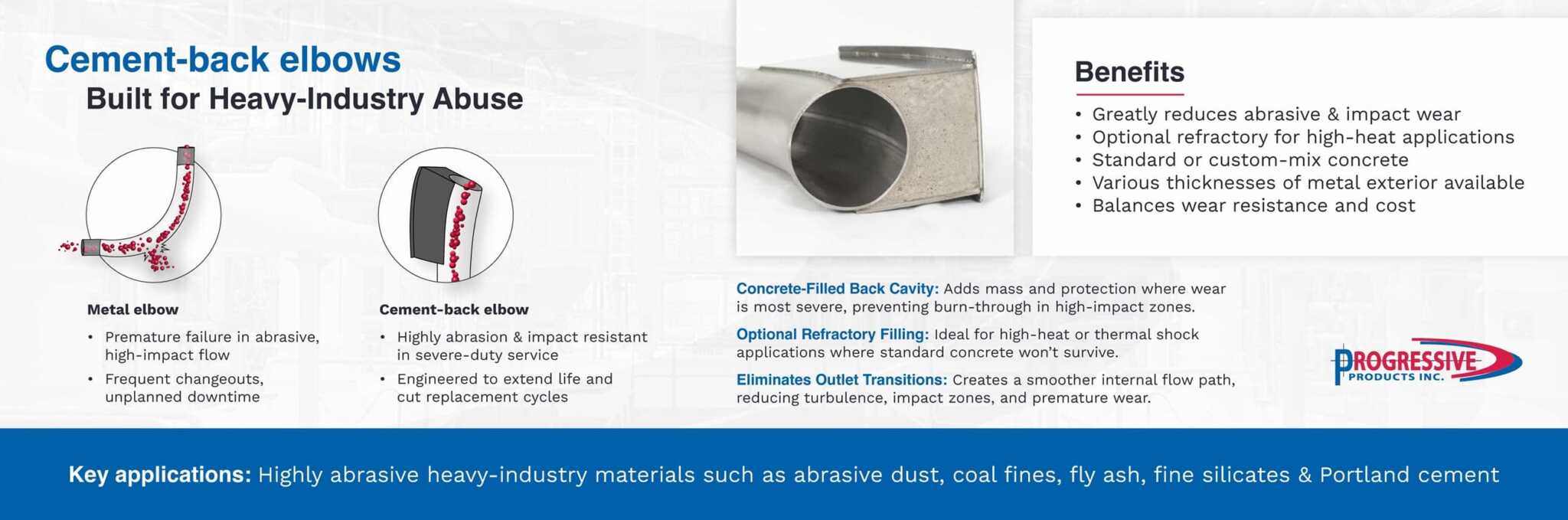
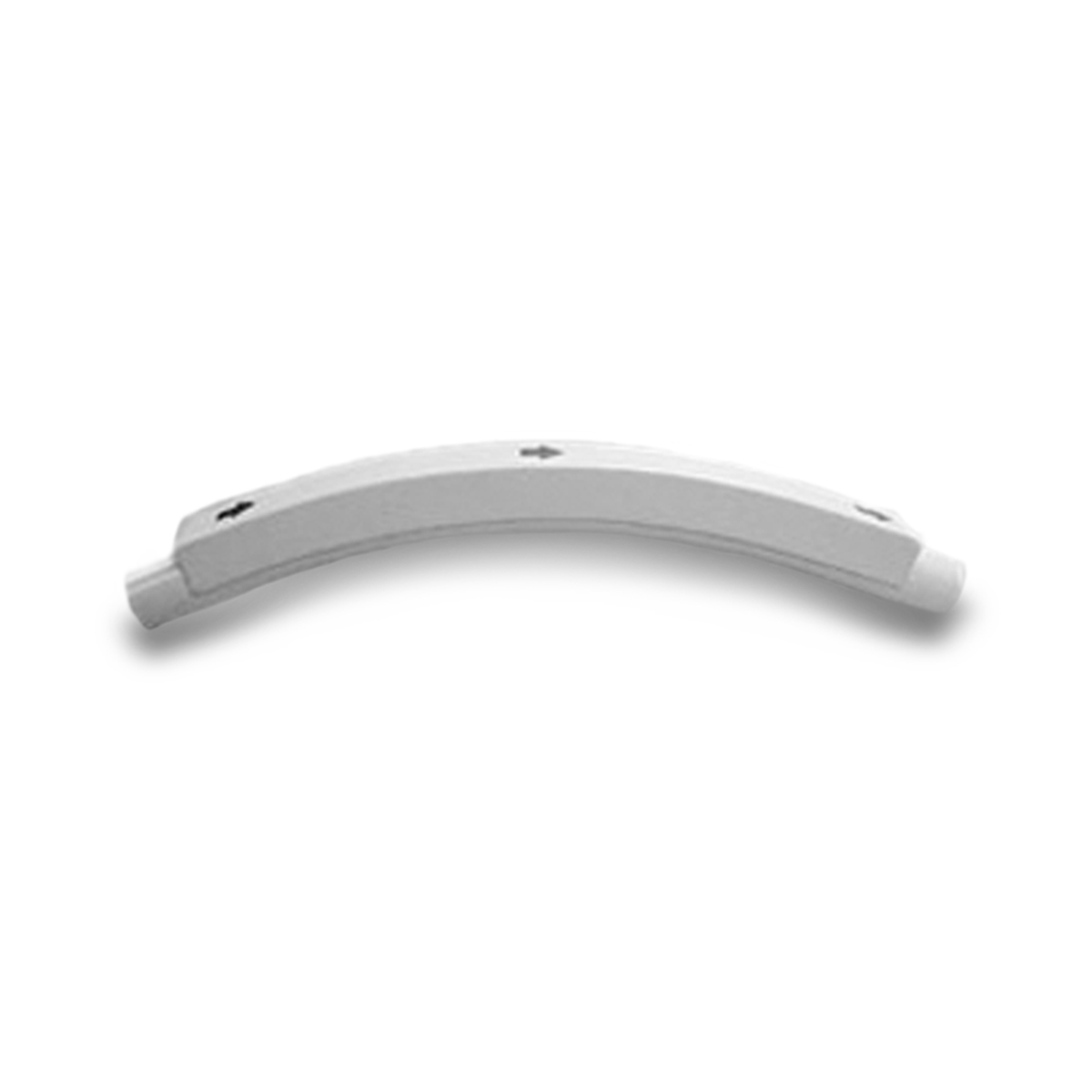
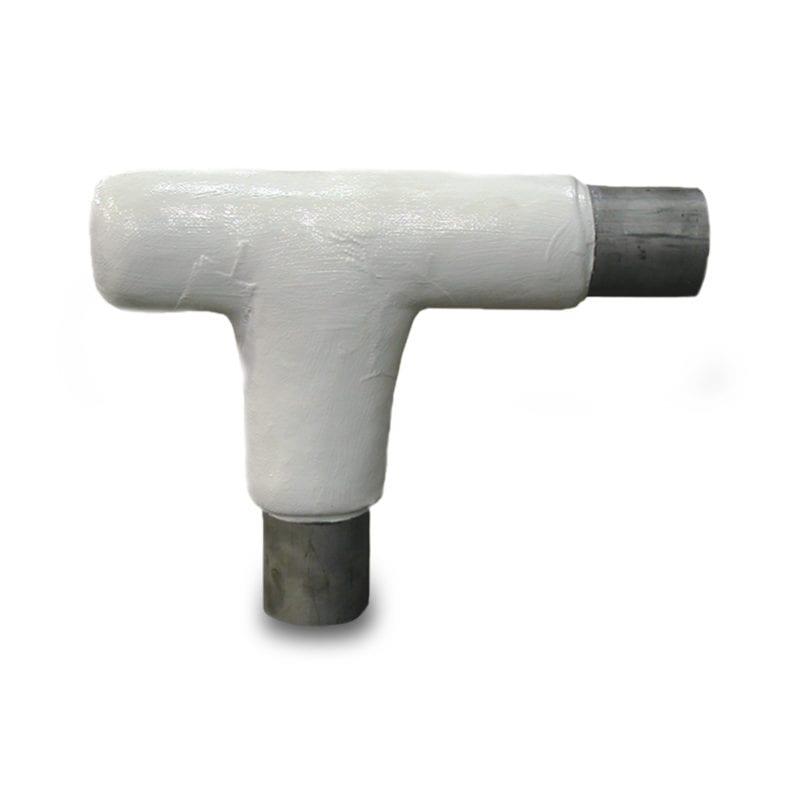
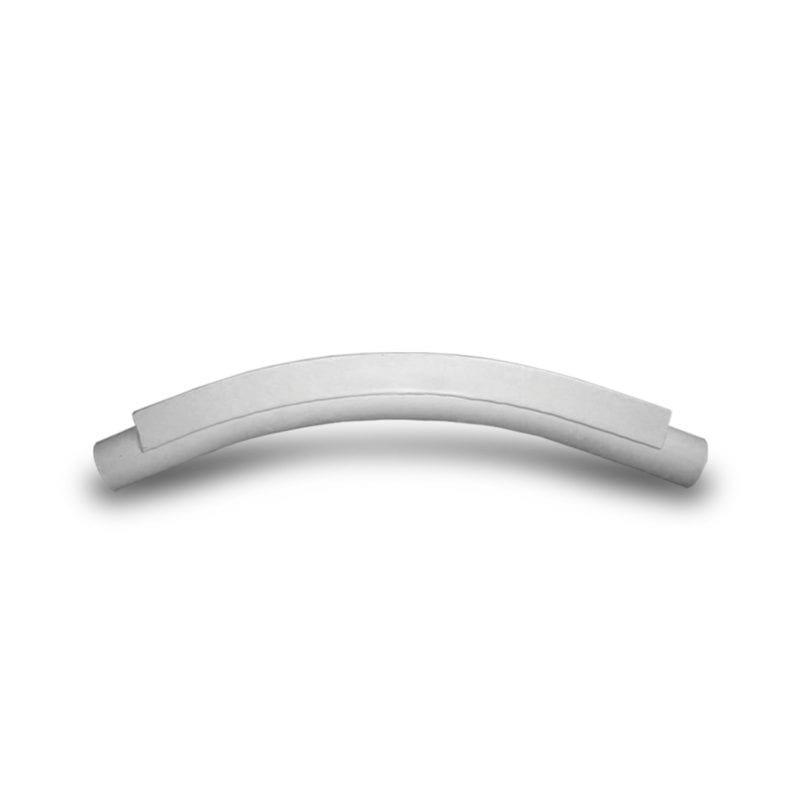
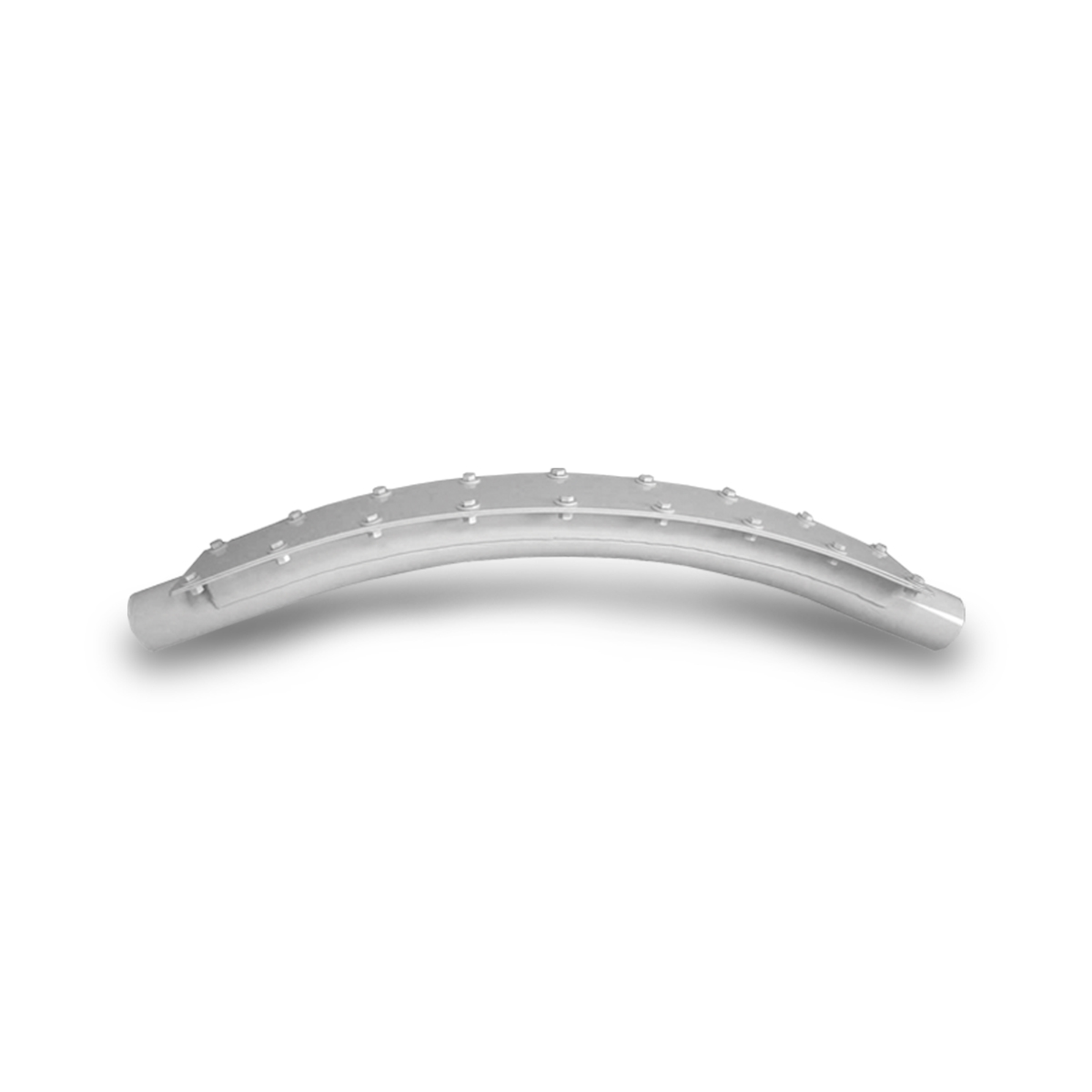
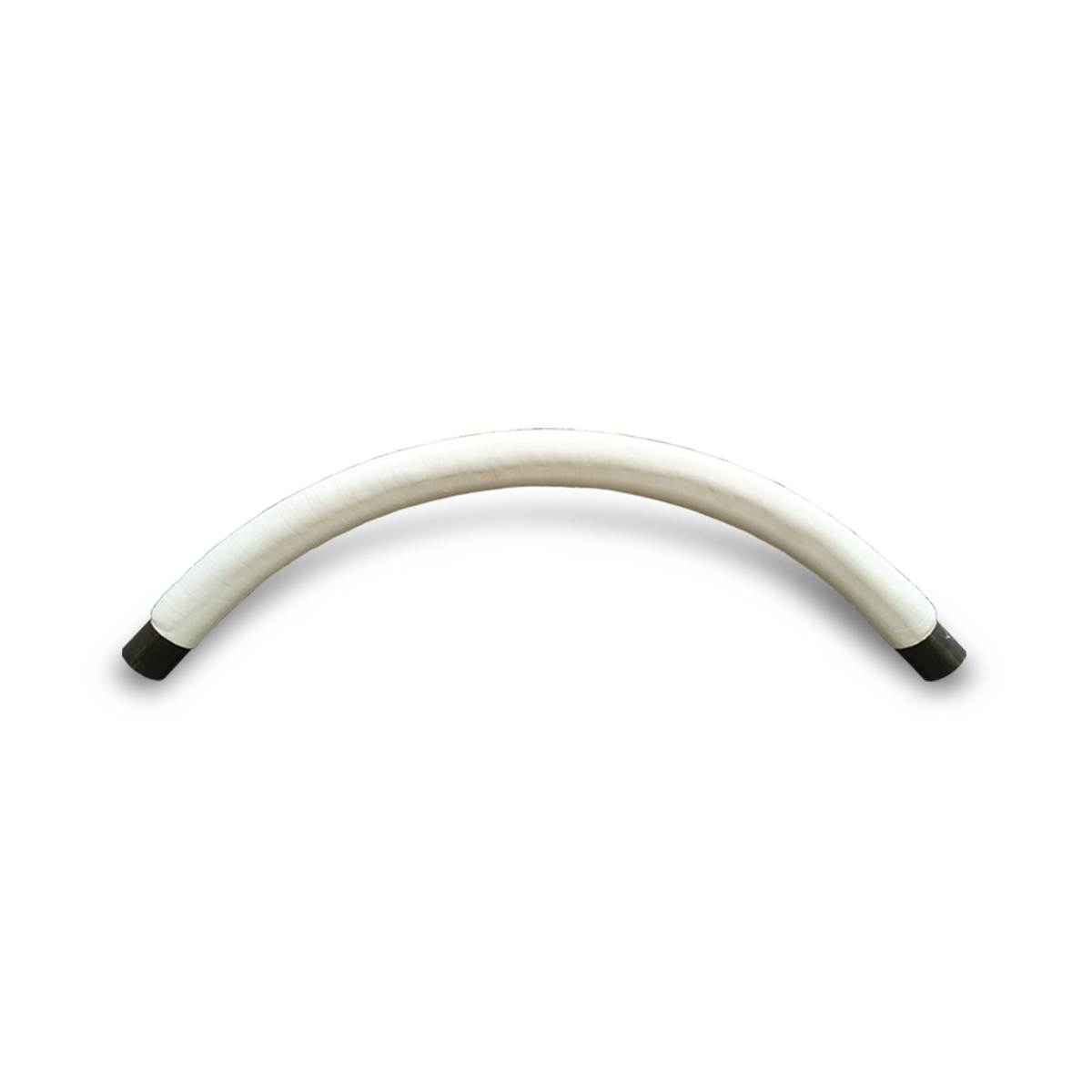
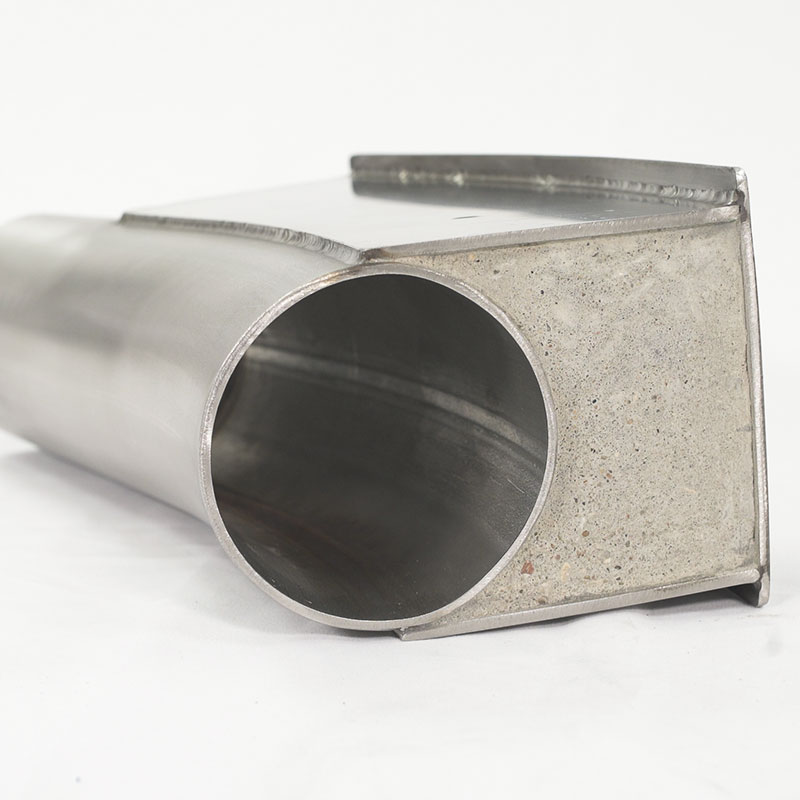
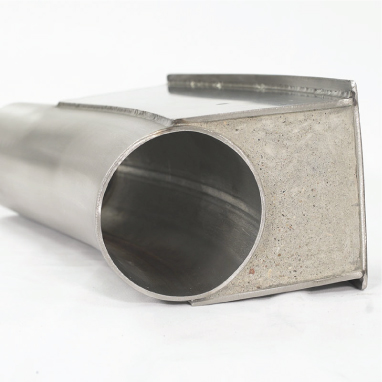
Mortar-Filled Flat-Back Elbows (Cement-Back) are designed to extend service life in abrasive pneumatic conveying applications by reinforcing high-wear areas. These elbows feature a back cavity filled with hard concrete, using either a standard or custom concrete mix depending on application needs. For high-temperature environments, refractory material can be used in place of cement. The metal exterior can also be fabricated in various material thicknesses to accommodate different operating conditions.
Constructed using a tube or pipe elbow, this design eliminates the need for transitions and promotes smooth material flow. As the bare or core elbow wears through from abrasive conveying, the mortar-filled back cavity provides additional protection, significantly increasing the lifespan of the elbow and improving overall system reliability.
These types of elbows have a thicker back than cast ceramic flat-back elbows and lie somewhere in between Ceram-Back® elbows and flat-backs in terms of abrasion-resistance.
If you use refractory backing instead of cement backing, you will find the elbow is more resistant to heat and abrasion. Refractory backing is very hard, and while it isn’t quite as hard as tile it does have the advantage of being cheaper.
Cement-back elbows are available in:
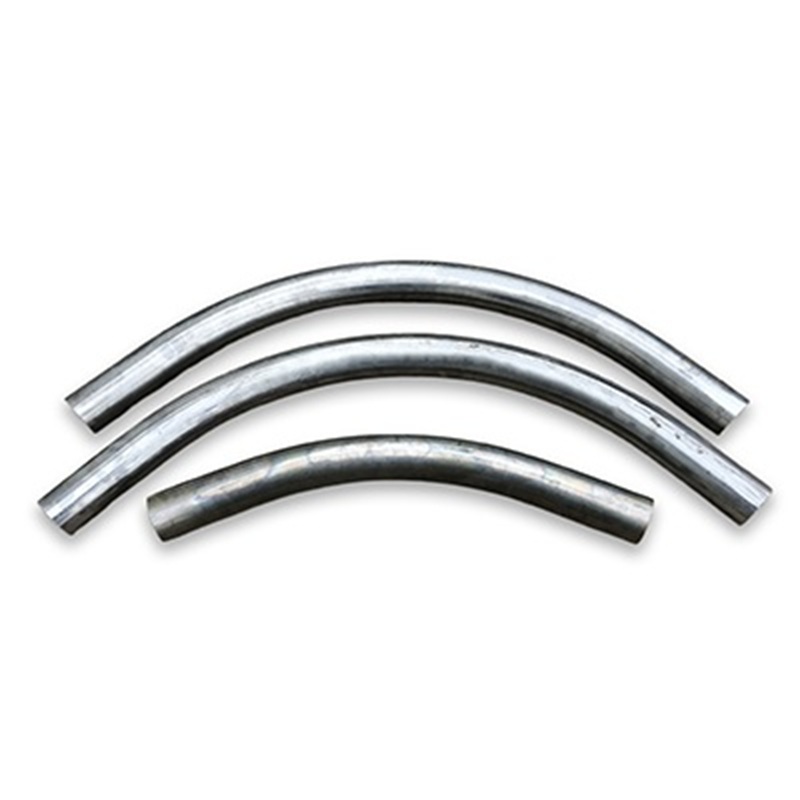
- Any size, degree, and bendable centerline radius (CLR)
- Carbon steel and stainless steel
- Pipe and tube
- Plain ends, flanged ends, grooved ends, and other specified ends
You can also request customized mortar-filled flat-back elbows – just speak to one of our experts about your exact requirements.
Mortar-filled flat-backs are most commonly used in heavy industry to convey abrasive dust, coal fines, fly ash, fine silicates, and portland cement. Their main use is in cement plants, as you clearly can’t contaminate cement with cement. Cement-backs are also used to convey grain and rice whorls.
How cement-back elbows work
Once material wears through the elbow wall, it abrades and impacts against extremely tough concrete or refractory. This material takes a very long time to wear down, drastically increasing the lifespan of the component and reducing system downtime.
The flat-back design also spreads wear across a larger area rather than a single point, further extending component lifespan.